
TOOLBOX TALK: Scaffolding Safety
RATTLIR SAFETY SERIES - "STRIKE BEFORE IT BITES"
Purpose
Scaffolding is one of the most frequently used temporary work platforms in industrial and construction environments. OSHA estimates that 65% of construction workers perform tasks on scaffolds each year. This toolbox talk provides an overview of scaffold safety requirements, load capacities, and best practices to ensure safe assembly, inspection, and use of scaffolding structures.
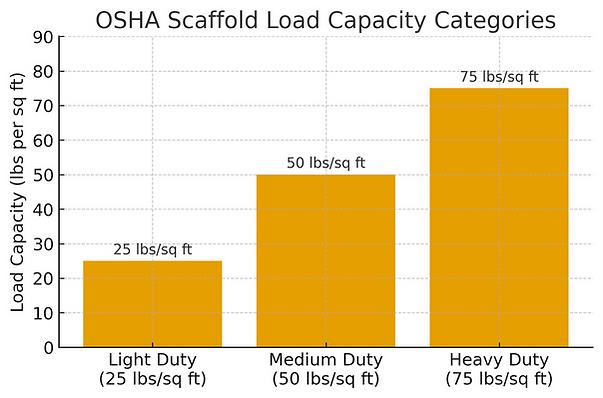
Figure 1 - Top Causes of Ergonomic Injuries
General Scaffold Requirements (OSHA 29 CFR 1926 Subpart L)
-
Scaffolds must be designed by a qualified person and constructed under the supervision of a competent person.
-
Guardrails, midrails, and toeboards are required for platforms more than 10 feet above a lower level.
-
Scaffold components must never be mixed between manufacturers unless approved.
-
Access must be provided by ladders, stair towers, or built-in scaffold access points.
-
Platforms must be fully planked with no more than 1-inch gaps between boards.
Understanding Load Capacities (Intended Uses)
Scaffolds must be capable of supporting their own weight plus at least 4 times the intended load.
-
Light Duty: Up to 25 lbs/sq ft (painting, inspection, simple tasks).
-
Medium Duty: Up to 50 lbs/sq ft (general trades, material handling).
-
Heavy Duty: Up to 75 lbs/sq ft (masonry, heavy materials).
-
Loads must be evenly distributed – never shock load or overload platforms.
Inspection Requirements
-
Scaffolds must be inspected before each shift and after any event that could affect stability.
-
Check planks for cracks, splits, warping, and damage.
-
Ensure base plates, mud sills, and leveling jacks are properly installed.
-
Verify cross braces, pins, and coupling devices are secured.
-
Inspect guardrails, mid-rails, and toe-boards for proper installation.
Scaffolding Tagging System
Green Tag – Safe for Use
A green-tagged scaffold indicates:
-
The scaffold has been fully inspected by a competent person
-
It is complete, structurally sound, and safe for use
-
All required components are in place
-
Load rating has been confirmed suitable for the application
Yellow Tag – Caution: Restricted Use
A yellow-tagged scaffold signals that the platform is not fully compliant but may be used under specific conditions.
Examples include:
-
Scaffolding incomplete but safe under limitations
-
Missing guardrails (fall protection required)
-
Partial planking
-
Limited working height
-
Restricted access points
-
Incomplete tie-ins or stabilizing components
-
-
Additional requirements may be listed
-
Mandatory fall arrest system
-
Only trained personnel allowed
-
No material storage
-
Only specific trades/tasks permitted
-
Do not use during high winds
-
A yellow tag must state ALL listed conditions or consider the scaffold not useable.
Red Tag – DO NOT USE
A red-tagged scaffold indicates:
-
The scaffold is unsafe
-
The scaffold is incomplete or under construction
-
The scaffold failed inspection or shows structural defects
Workers must NOT climb or use a red-tagged scaffold under any circumstances.
Only the Competent Person may remove a red tag once the scaffold is corrected and re-inspected.
Fall Protection Requirements
-
Guardrails are required on all open sides and ends where workers are exposed to falls greater than 10 feet.
-
Personal fall arrest systems may be required for certain scaffolds (e.g., suspended scaffolds). Review the scaffolds tag for fall protection requirements.
-
Never stand on guardrails, buckets, or unstable objects to gain height.
Safe Work Practices
-
Keep platforms free of ice, mud, debris, cords, and trip hazards.
-
Maintain three points of contact when climbing scaffold access points.
-
Do not move mobile scaffolds while workers are on the platform.
-
Never alter or remove scaffold components without competent person approval.
-
Secure tools and materials to prevent dropped objects.
Discussion Questions
-
Do you understand the load capacity requirements for different scaffold types?
-
Are you aware of what a competent person must inspect before each shift?
-
As a scaffold user, do you understand the scaffolding tagging system?
RATTLIR Takeaway
Scaffolding incidents often occur because the structure was overloaded, improperly assembled, or not inspected before use. Understanding scaffold load limits, recognizing structural deficiencies, and maintaining proper fall protection prevents falls, collapses, and serious injuries. RATTLIR strikes before it bites by promoting disciplined inspection, load control, and respect for temporary elevated work platforms.